
Vehicle hall and roller doors
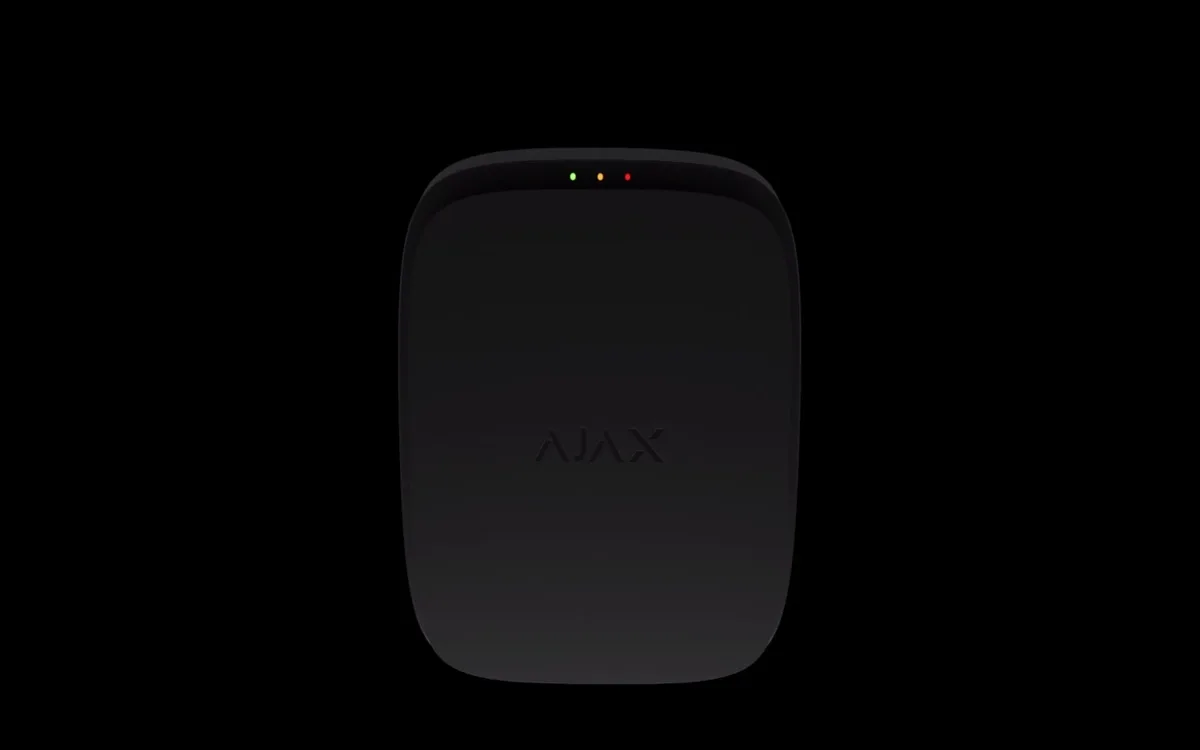
Opening and shock detectors on roller doors, doors and windows, motion detectors with camera in the hall. Vehicles and loads are under observation at night.
Roller doorDoor and windowPhoto verification
 You are at CPC. This site is the security technology division of CPC Controlling Protection Concepts GmbH.CPC GroupCPC ShootingCPC ShopChristopher Wagner
A fire station holds vehicles, breathing apparatus, radios and battery-powered equipment worth six figures, often with nobody in the building. We secure fire stations against burglary, fire and water: wireless, with photo verification, early warning for battery fires and connection to an emergency monitoring centre. Certified according to EN 50131 Grade 2, planned by a licensed security company under § 34a GewO.
A fire station is open during the day, empty at night and always full of valuables. We secure the areas where damage would jeopardise an operation.
Opening and shock detectors on roller doors, doors and windows, motion detectors with camera in the hall. Vehicles and loads are under observation at night.
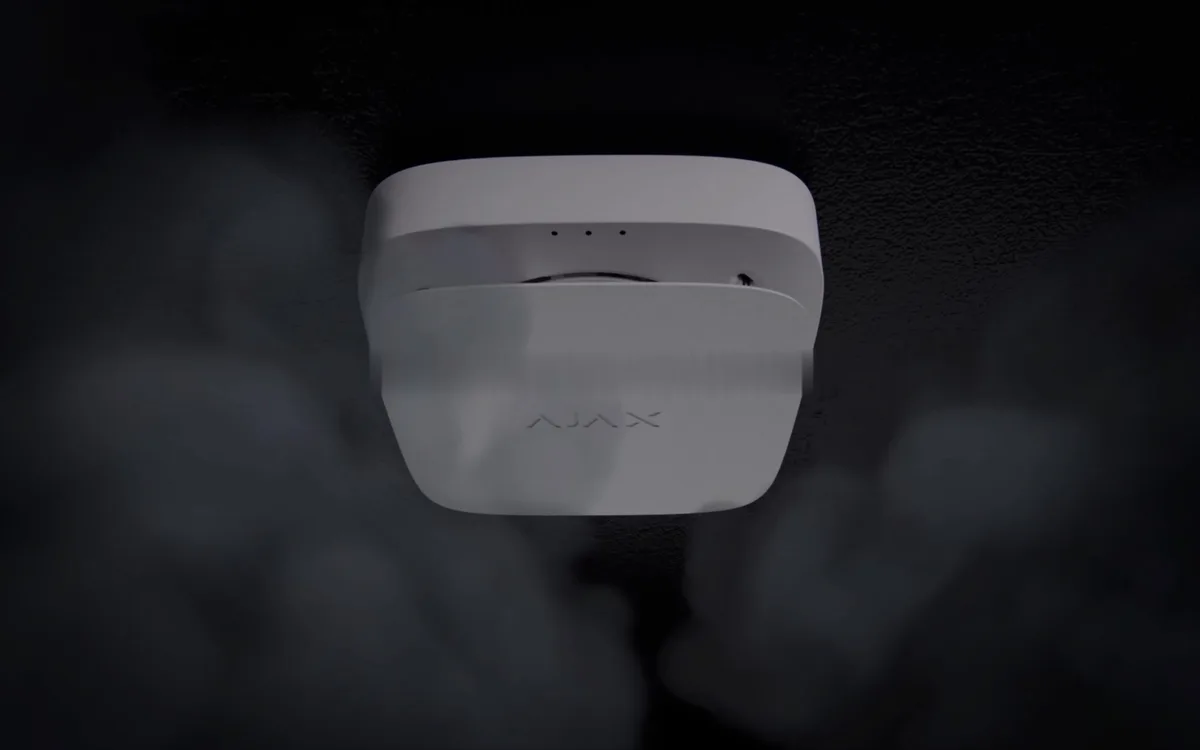
Smoke and heat detectors in hall, workshop, changing room and common rooms. If one detector triggers, all sound, and the alert goes to the officers and the monitoring centre.
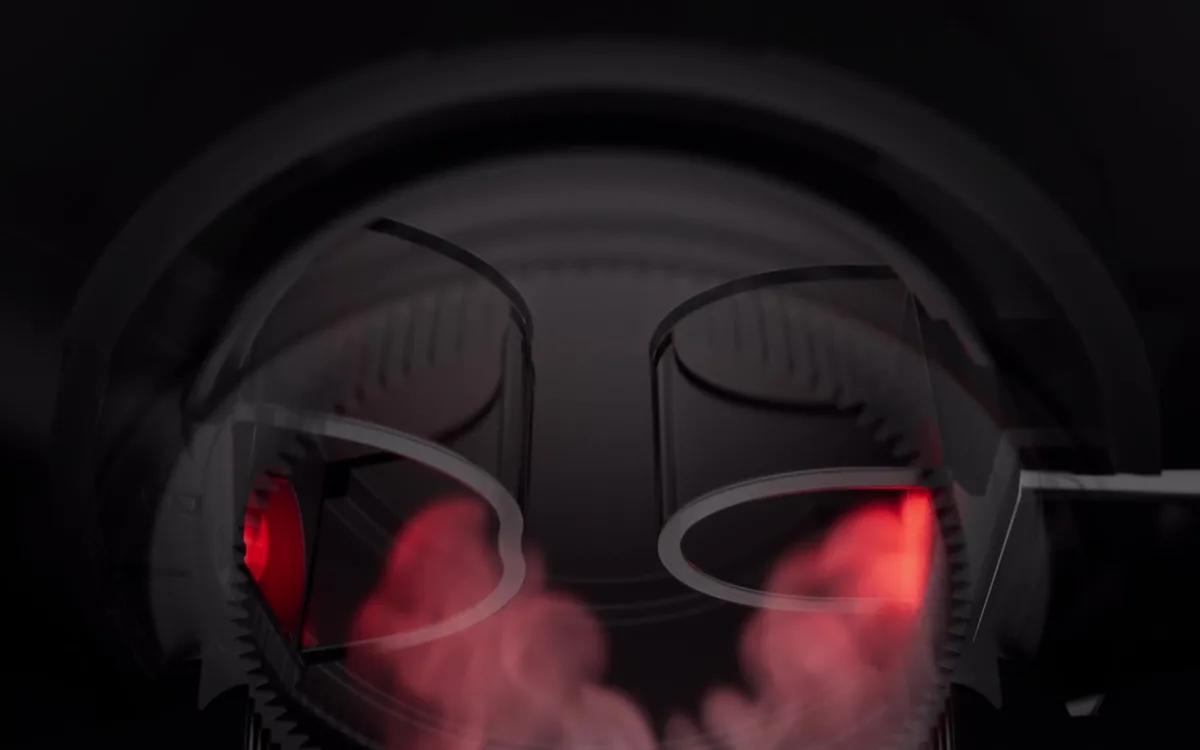
Battery-powered equipment, e-bikes and charging stations are the new fire risk in the fire station. Detectors with a dual-spectrum sensor recognise smouldering fires by particle size, heat detectors additionally monitor charging areas via temperature rise.
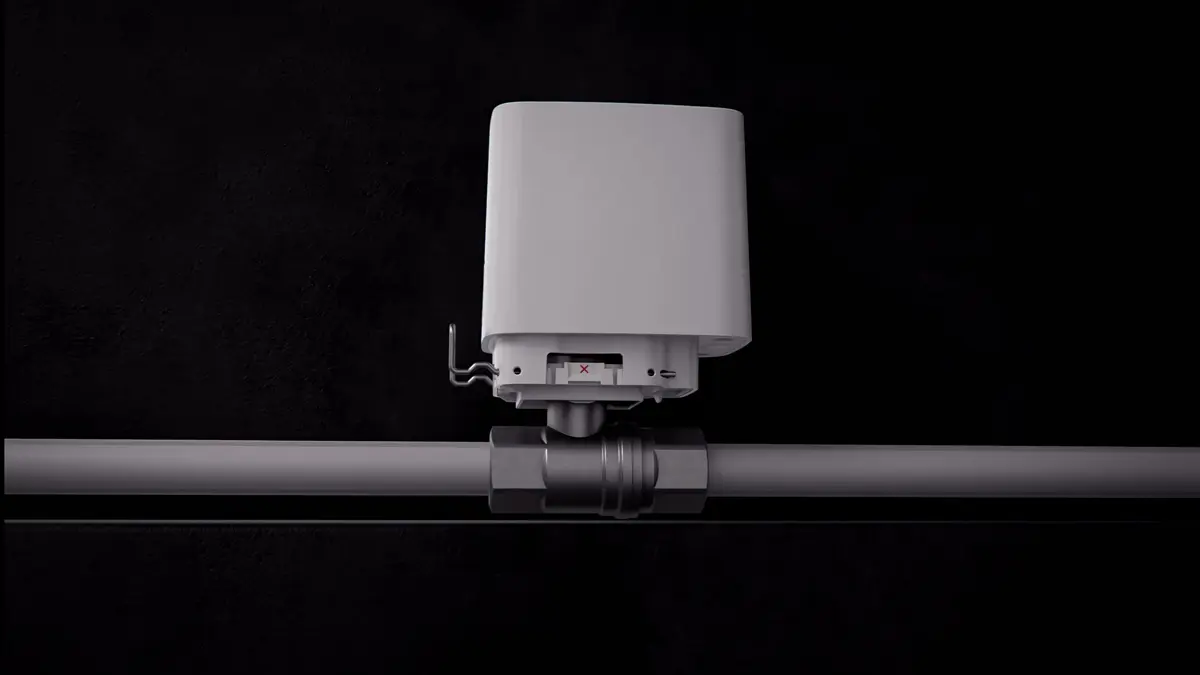
Leak detectors under the washing system, boiler and in technical rooms, on request with automatic shut-off valve. Temperature monitoring reports when the heating fails in winter.
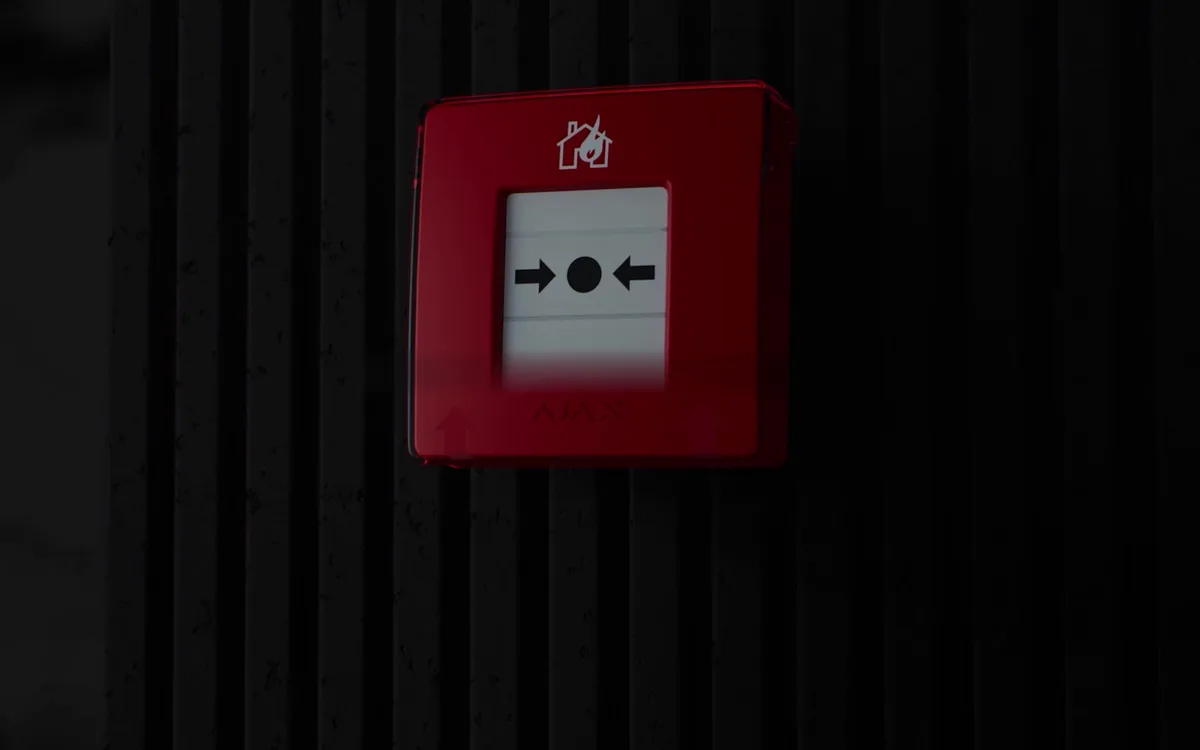
Manual call points and emergency buttons at exits and in the radio room. One press triggers the alarm, activates siren and lights and informs the monitoring centre, even when the system is disarmed.
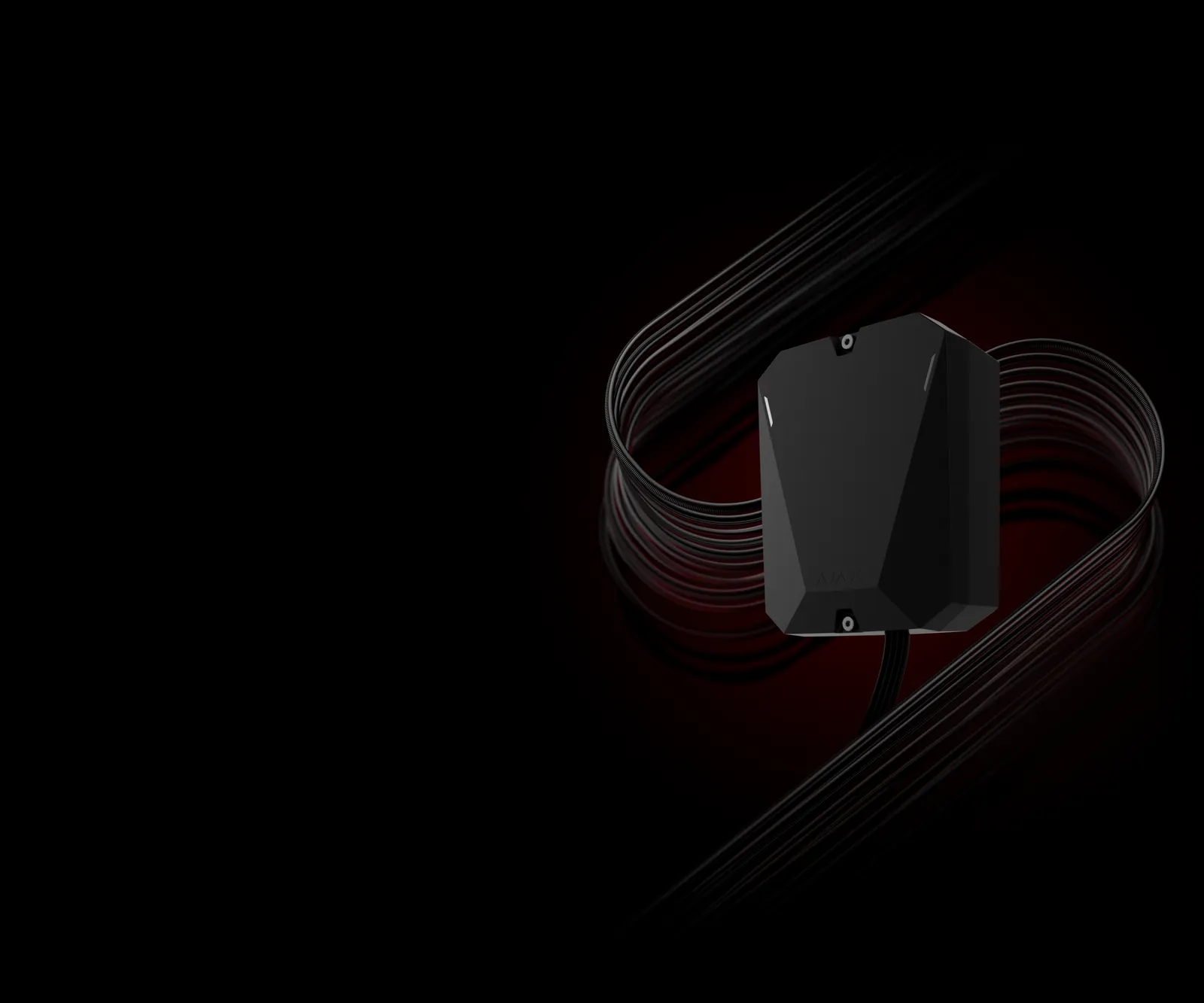
The panel reports via LTE and Ethernet to an emergency and service monitoring centre according to DIN EN 50518. On burglary the centre verifies by photo and dispatches intervention, on smoke it immediately informs the officers.
A fire station is not an office. During the day crew members come and go, in the evening there is training, at night nobody is there. Roller doors stand open during operations, batteries charge overnight, vehicles with equipment worth several hundred thousand euros stand behind a door with a remote control.
We therefore plan by use: arming by tag or automatically by schedule, exceptions for operations and training, areas with their own permissions for equipment officer, brigade command and municipality. The alarm system stays in the background and never disrupts an operation.
We look after several fire stations of a municipality or district as one project: one concept, one app with all sites, one invoice.
Whether your fire station has a requirement for fire detection technology is stated in the building permit or in the municipality's fire protection concept. We check this during the site visit and plan accordingly.
Site visit with brigade command, equipment officer or municipality. We document risks, check requirements and propose a concept that fits the building and the budget.
Connection to a certified emergency and service monitoring centre with alarm plan, photo verification and intervention. On request forwarding to the district control centre.
Our own technicians, installation in one day, no cable and no chasing in hall or changing room. Briefing of the brigade, documentation for municipality and insurer.
That depends on the size of the building, the number of doors and rooms, the desired fire warning technology and monitoring. After the free site visit we name a written fixed price that the municipality or the support association can budget. We list eligible funding items separately, prices on request.
No. The system is disarmed by tag, app or schedule and can disarm automatically when the brigade is alerted. Roller doors and doors are free during operations and training, fire and leak detectors always remain active.
Smoke detectors with a dual-spectrum sensor recognise smouldering fires by particle size before flames appear. In charging and battery areas we add heat detectors that monitor the temperature rise. The alert goes immediately to app and monitoring centre, even at night.
Yes. The radio link is certified according to EN 50131-5-3, encrypted and supervises every device. Jammers are detected and reported, the panel has backup power for up to 16 hours and reports via LTE and Ethernet.
Yes. Each fire station is its own area with its own permissions; the municipality or the district fire inspector sees all sites in one interface. We plan rollouts across several stations as one project.
We do. Annual inspection, battery replacement, software updates and fault clearance by our own technicians. The system continuously reports battery level and radio quality of every detector; we see most faults before you do.
From Kronberg im Taunus we reach Frankfurt, Wiesbaden, Mainz and the entire Hochtaunus in under 45 minutes, from Bad Dürkheim Mannheim, Ludwigshafen and Heidelberg. Site visit and travel are free of charge. Projects elsewhere in Germany, in Austria and in Switzerland on request.
The offer is run by CPC Controlling Protection Concepts from Kronberg im Taunus, with a customer base of companies, corporate sites and high-profile families in the Rhine-Main area. Moebius handles planning, software and customer care from Bad Dürkheim. For you there is one contact, one quote and one phone number that is answered in the evening and at weekends.
 ×
×Free site visit with brigade command, equipment officer or municipality. Concept and fixed price within ten days, non-binding.